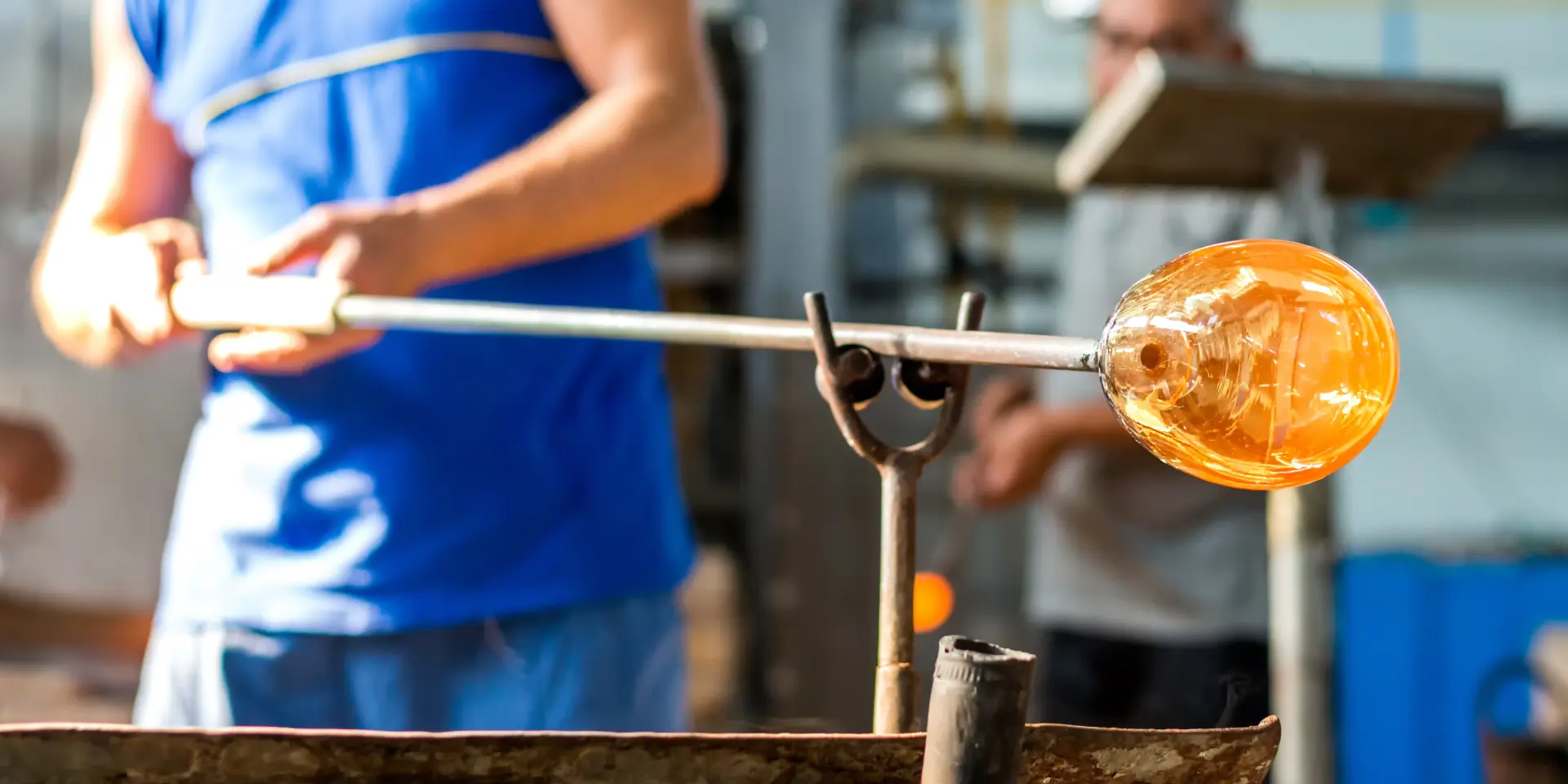
Handmade figures of melted glass - selective focusHandmade figures of melted glass - selective focus
©Handmade figures of melted glass - selective focus|diyanadimitrova - stock.adobe.com
Glassmaking craftsmanship

Glassmaking craftsmanship

Along the Bresle River, glass has shaped landscapes, skills and stories for centuries. Here, the glassmaking tradition is not only told—it is experienced, through close encounters with artisans and the places that form the beating heart of the Glass Valley.
Workshops, live demonstrations and inspiring encounters invite you to discover a living heritage where ancestral techniques meet contemporary creativity, giving rise to unique pieces that embody French excellence and craftsmanship.

The Bresle Valley, Heart of Glassmaking Excellence

The Bresle Valley, stretching over nearly 40 kilometres from Aumale to Eu–Le Tréport–Mers, is known as the Glass Valley. From the 15th century to the late 18th century, as many as thirty glassworks were operating here by the end of the Middle Ages.

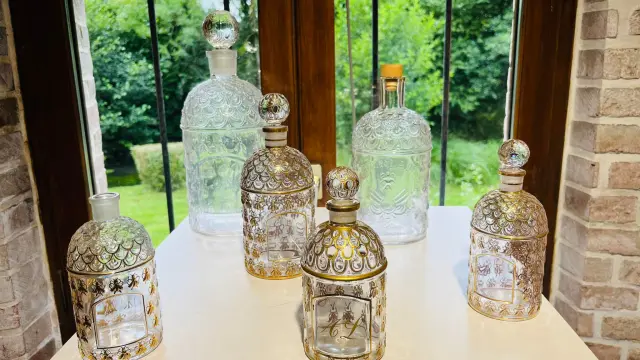
Initially artisanal, glass production—ranging from flat glass to tableware and later perfume bottles—has shaped the rhythm of life in the valley right up to the present day. Today, this is the place where the largest number of luxury perfume bottles in the world are produced and decorated.

Upstream from this glassmaking production, around 70 companies are established in the Bresle Valley, including model makers, mould makers, foundries, glassworks, finishing and packaging companies. Together, they employ between 7,500 and 10,000 people, all brought together since 2001 within an association known as “La Glass Vallée”.

This industry—unique in the world—brings together companies with centuries-old expertise within a single territory. It offers the biggest names in perfumery, cosmetics and spirits a complete range of services rooted in the tradition of luxury “Made in France”.
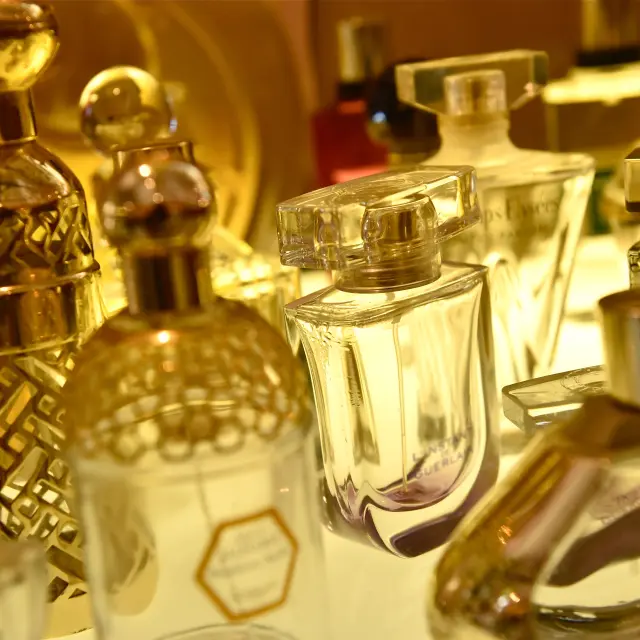
Today, there are seven glassworks, four of which produce nearly 70% of the world’s luxury perfume bottles:

  • Verescence in Mers-les-Bains
  • Pochet du Courval – Guimerville in Hodeng-au-Bosc
  • Brosse in Vieux-Rouen-sur-Bresle
  • Waltersperger in Blangy-sur-Bresle

For pharmaceutical packaging:

  • SGD Pharma in Saint-Quentin-la-Motte
  • Nipro Pharma Packaging in Aumale

For luxury bottles:

  • Saverglass in Feuquières (Oise)
Did you know ?

To make glass, three raw materials are needed: sand, fern and lime. All these easily accessible materials in the Bresle Valley have contributed to the establishment and survival of the glass industry there.

Meet a Glass Artist

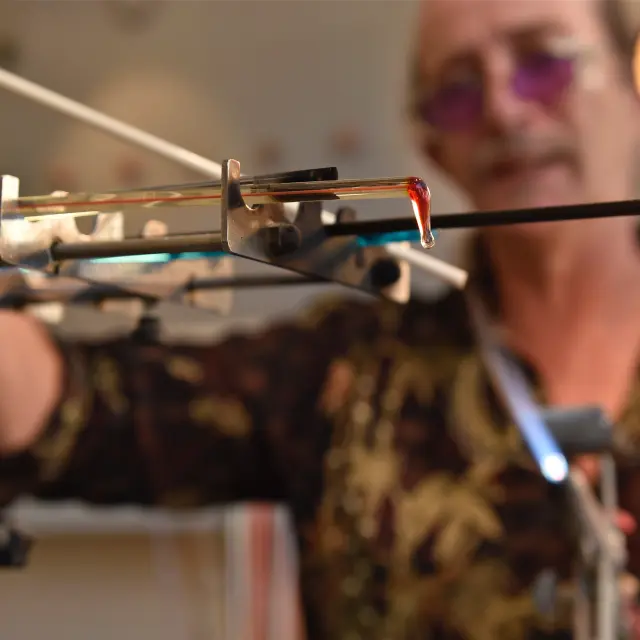
At the lower station of the Le Tréport funicular (street Amiral Courbet), step into the Galerie Verre Mer and discover the craftsmanship of Frédéric Marey, a passionate glass artist and lampworker. In his workshop, he shapes colourful glass beads and one-of-a-kind pieces over the flame, creating captivating reflections.
Admission is free: take the time to watch molten glass come to life, chat with the artist, and discover a rare and fascinating craft at the very heart of Le Tréport’s living heritage.

Blangy-sur-Bresle Glass Museum: Discovering Glassmaking Expertise

Located just 30 minutes by car from Le Tréport, the Blangy-sur-Bresle Glass Museum invites you to explore a place where history and craftsmanship come together.

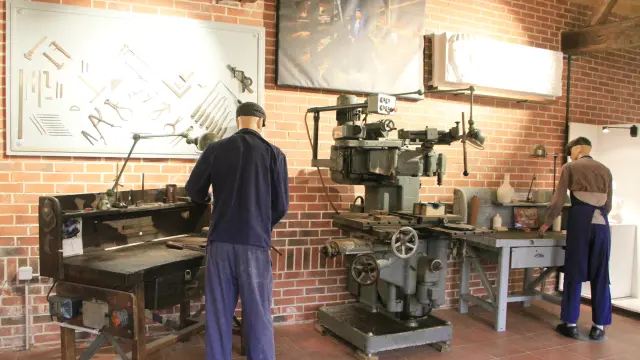
Begin your visit with a journey into the past and discover, across 350 m², nearly 400 carefully displayed tools, brought to life through objects and photographs.

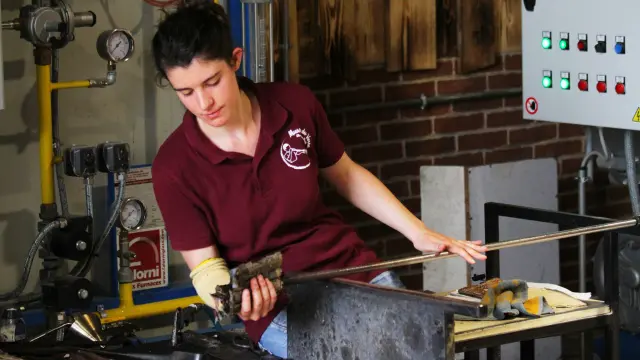
After an introduction to the key stages in the history of glass, visitors are invited to attend live glassblowing demonstrations in the workshop, before extending the experience in the museum shop and taking home one of the artisan’s creations.

The visit concludes with the discovery of remarkable sculpted glass pieces, created by contemporary artists with a wide range of influences.