

 Eu Chateau Depuis Le Parc 1
Follow the visitor trail and let yourself be guided by remarkable monuments, most of which are listed as Historic Monuments.
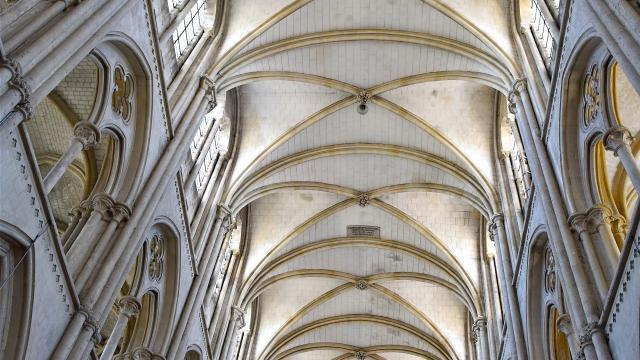
Discover the Collegiate Church of Notre-Dame and Saint-Laurent O’Toole, a 12th-century building in early Gothic style. Step down into its 12th-century crypt, where the recumbent statues of the d’Artois family rest, along with the oldest tomb in France—that of Saint-Laurent O’Toole, Archbishop of Dublin, who died in Eu in 1180 and was later canonized there. In the transept, you can see the silver reliquary containing the archbishop’s skull.
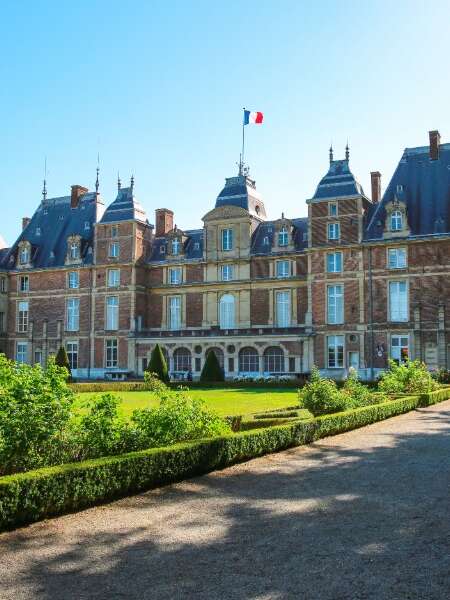
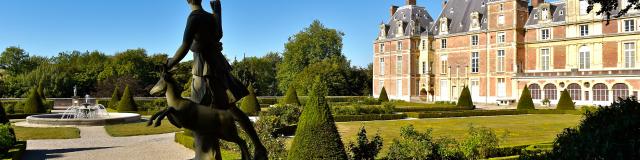
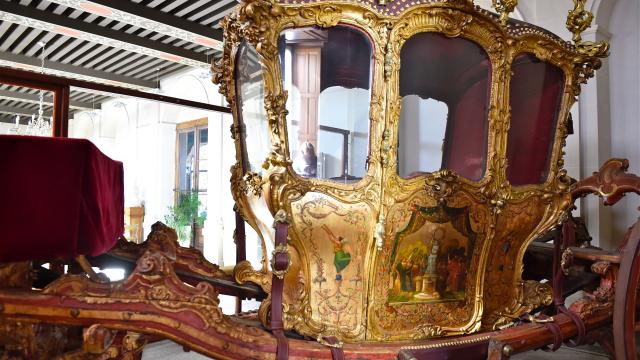
Continue your visit at the Louis-Philippe Château-Museum and immerse yourself in the era of the kings of France, particularly the Orléans family.
Finally, do not miss the Chapel of the Jesuit College, a 17th-century building that houses the recumbent statues and effigies of Henri de Lorraine, Duke of Guise—known as le Balafré—and his wife, Catherine de Clèves. The Countess of Eu had this chapel built after the assassination of her husband in Blois in 1588.
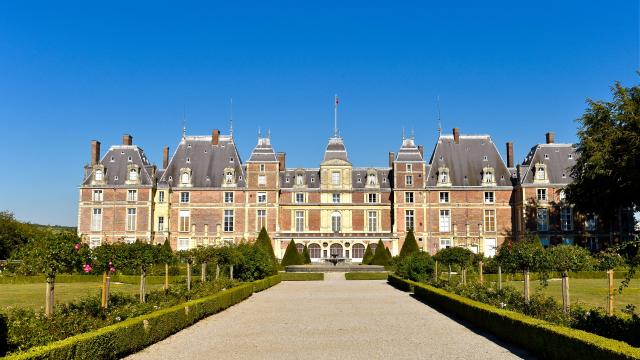

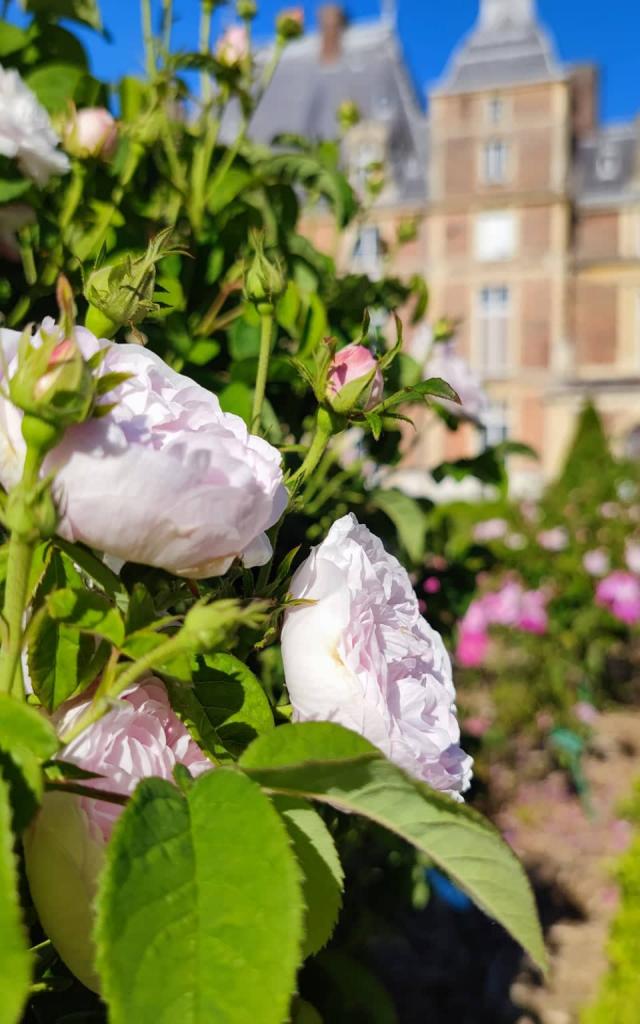
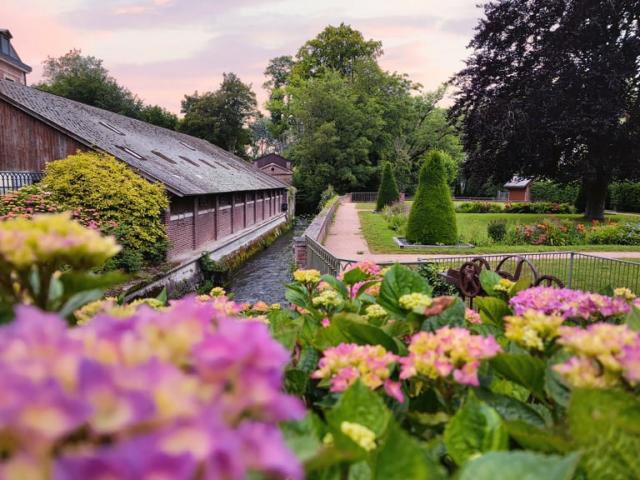

Alongside its architectural heritage, the town of Eu is home to many parks and gardens. After visiting the Château-Museum, take time to stroll through the French-style gardens. Their rose garden will captivate your senses with vibrant and pastel colors. Continue towards the Château Park, where century-old trees line the pathways, offering a moment of calm in the heart of town.
Further along your walk, make a stop at the Jardin des Fontaines. Enjoy a moment of peaceful wandering in this small garden, where a branch of the Bresle flows through. A pleasant break during your visit, this stream then leads to the Hôtel Dieu, a former hospice once run by nuns. Its inner courtyard welcomes you with a small play area—ideal for young children wanting to let off steam during the visit.
Located on the heights of the town, near the Eu State Forest, discover the Gallo-Roman city of Briga. An important archaeological site, the ancient city can be seen right from the roadside. Since its discovery in the 18th century, teams of archaeologists have carried out excavations to uncover the secrets of this settlement, dating from the 1st century BC to the 3rd century AD. During a guided tour (organised in the summer season), passionate guides recount the life of its inhabitants and the stories that shaped this ancient city.

Whether you’re just passing through Eu or planning a longer stay, explore our ideas for activities, accommodation options, and restaurants where you can enjoy local flavours.